
The New Rules of Authority: Why Most Link-Building Fails in 2026
In today's digital landscape, the old way of building links is dead. For years, the goal was pretty simple: just get as many "blue links" as possible from any website that would take them. Today, search engines are different. They no longer just count links; they evaluate "Entities." This means they are looking for recognizable brands and experts who actually move the needle in their industry. Basically, if your name isn't being cited in AI Overviews or recommended by conversational search bots, your brand is practically invisible.
The statistics are a wake-up call for every site owner: over 94% of all online content earns zero external links. This happens because most people are just "shouting into the void," creating generic content that no one feels compelled to share. To win in 2026, you have to stop chasing numbers and start building a reputation. You need to provide "Information Gain"—the kind of unique, "must-cite" insight that forces other people in your niche to stop and take notice.
Stop Writing for Robots and Start Creating "Information Gain"
The biggest differentiator in a world flooded with AI-generated text is a unique perspective. If your article is just a rewrite of the top ten Google results, why would anyone link to it? To earn a link from a high-quality site, you must provide the "missing piece" of the puzzle. This could be a contrarian opinion, a personal experiment that failed, or a deep-dive analysis that no one else was willing to do.
The Return of the Definitive Guide
While short, snappy posts are great for social media, long-form content is where authority is built. Comprehensive guides—pieces that often cross the 3,000-word mark—earn significantly more links because they serve as a "permanent resource." When you write the final word on a subject, you become the person everyone else has to reference. By providing actionable insights backed by credible sources, you earn a level of professional respect that a quick blog post simply cannot achieve.
Why Building Stuff Helps
I’ve found that the best way to get a link is just to stop writing and instead start building. Create something cool, and people will naturally want to link to it. In 2026, interactive tools like ROI calculators, templates that deal with specific niches, and checklists (bonus points if they’re the clicky-box kind rather than ones you have to print out, those are super satisfying…) will act as natural magnets for links. Journalists and bloggers love to link to these resources because they provide instant value to their readers. When you create a tool that solves a recurring problem, you aren't just a writer anymore; you’re a service provider at the center of your industry’s conversation.
The Strategy of Original Data: Becoming the Source
The best way of proving that you aren’t just a robot is to make something that’s never been seen before. Do some primary research, survey some people in your niche, gather data that proves some anecdote that you find interesting - be the change that you want to see on the internet. Everyone’s linking to the same four sources about your niche topic; you may as well make your site one of the sites that people link to! When you present fresh data to the masses, you’re the source that everyone else has to cite, rather than another annoying parrot with a keyboard. This strategy helps to, but it embeds your brand into the very data that search engines use to understand the world. It makes you the primary source.
Guest Writing as a Reputation Builder, Not a Shortcut
Guest writing still works, but the "hustle" has changed. Search engines are now extremely good at spotting "link farms"—sites that exist only to sell guest posts. Today, guest writing is about "Brand Narrative." It’s about appearing on respected platforms that tell the world (and search engines) that you are a trusted authority.
The Art of the Professional Pitch
If you’re going for guest articles, I recommend you start with an elevator pitch. No fluff, no Success in guest writing starts with a no-fluff pitch. You need to target publications and sites that actually care about their audience and their subject. Your goal isn't just to "get a link," but to add genuine value to their platform. When you contribute a high-level expert piece to a respected journal or website, you aren't just gaining an SEO boost; you’re borrowing their years of established trust. This kind of "authority rub-off" is way more valuable than a thousand low-quality links.
Relationships: The Only "Algorithm-Proof" Strategy
Networking has a bad reputation because most people treat it like a transaction. But in 2026, relationship-based link building is the only strategy that won't break when the next algorithm update hits. Why? Because it relies on human trust. When a real editor at a major site links to you, it’s because they believe in your work.
Building Trust Before You Ask for Anything
Establishing yourself as a dependable expert is a long-term play. Data shows that personalized, human outreach beats "template" emails every single time. Start by being helpful. Share a journalist's story, provide them with a lead, or offer your original data to help with their next report. By becoming a valuable part of your professional community, you’ll find that people naturally want to reference your work. It’s not about "networking"—it’s about being a person worth knowing.
Digital Public Relations:
“Public Relations” has always been a buzzword for stuffed suits hoping to make their bosses look slightly less evil than they are. In the world where “influencers” are king and everyone is a “thought leader”, digital PR is unfortunately a necessary evil. For larger blogs, digital PR means getting mentions in news outlets and top-tier industry blogs to remind the world that you know what you’re talking about (even if you don’t, mentioning no names in particular…). If you can get these elite placements, they can help to raise your rankings and verify your brand's legitimacy to the AI models that now power search.
For smaller blogs, you can still use similar tactics, but reach out to smaller news outlets. Many of the larger news outlets scan the niche outlets, particularly when there’s a hot topic that isn’t part of the average person’s world (be honest, did you know what an LLM was a few years ago?).
To be newsworthy, you have to be proactive. Write some high-level commentary on breaking news as it’s happening, then dumb it down like you’re explaining it to your neighbor rather than someone in the industry. Once you figure out how to turn your internal data into a story that a journalist can't ignore, you’ll find it much easier to enter the VIP section of the internet where all the cool kids hang out.
Measuring What Matters: Share of Voice and Entity Strength
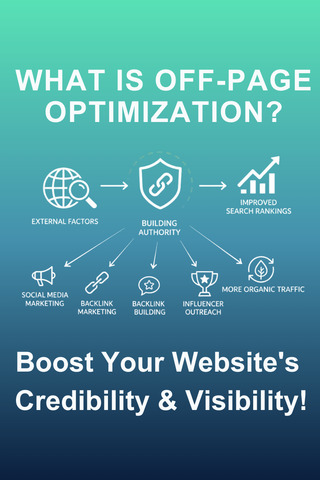
The days of simply counting links at the end of the month are over. In the age of AI, we measure "Entity Strength"—how much the internet actually trusts your brand. To see if your strategy is working, you need to track different metrics:
- AI Citations: Is your brand being mentioned by name in conversational search results?
- Share of Voice: How often are you being talked about compared to your biggest competitors?
- Unlinked Mentions: Even if there’s no direct link, search engines now treat brand mentions as "implied votes" of confidence.
- Referral Traffic: Are people actually clicking those links to visit your site?
Building authority in 2026 isn't about "hacking" a system or finding a secret shortcut. It’s about the grind—the consistent effort to be the most helpful, most original, and most trusted voice in your niche. When you focus on being the best, the links (and the rankings) will follow.