

Everything

How to Set Up Google Search Console & Analytics
You’ve poured weeks of your life into this website. You’ve obsessed over the layout, re-written the "About Me" section ten times, and finally—with a nervous click—you hit "publish." It should be a celebration. But after a few days of checking your empty inbox and seeing zero comments, a heavy realization sets in. You have no idea if anyone is actually there. It feels like you’ve built a beautiful store in the middle of a desert where no roads even exist yet.
You may also enjoy...

Image Optimization: Faster Loading & Better Rankings
When we talk about web performance, we often focus on the heavy hitters. We obsess over server response times, we play around with JavaScript execution, and we debate the merits of multiple, different hosting providers. Yet, in the middle of all that technical noise, the most common culprit for a sluggish website is often hiding in plain sight: your images.

Local SEO Strategy for Small Businesses: How to Show Up When It Actually Counts
Let’s be honest: the "near me" search on Google has completely transformed how people around the world run their small businesses. It used to be that your survival simply depended on a blinking neon “OPEN” sign, a large Yellow Page listing, or just a great spot on a busy street corner. But today, the most important real estate you can own isn’t on a physical street—it’s in the pocket of a random person standing three blocks away. When someone pulls out their phone to find a specific type of business or service, they aren't "just searching." They are ready to buy or visit, and they’re looking for a reason to pick you over the dozens of other available options nearby. Local SEO is what puts you in front of them. It’s not just a technical chore; it’s a modern-day land grab.

Optimizing for SGE (Search Generative Experience)
The digital marketing world is currently going through a bit of an identity crisis. For twenty years, we’ve played a very specific game: you find a keyword, you write a post, and you hope Google sticks you in those "ten blue links." But that contract has been torn up. With the arrival of Google’s Search Generative Experience (SGE), the search engine has stopped being a librarian and started acting like a tutor. It doesn't just want to show you where the information is; it wants to explain it to you right there on the results page.

Search Intent Explained: How Google Decides What People Really Want
The little search bar on your screen is no longer just a basic directory; it has basically become a digital mind-reader. Every single second, tens of thousands of people are typing little fragments of their lives into the Google search bar. Some people just want to remember the name of an actor from a movie they saw years ago, while others are actually ready to spend a bunch of money on a high-end espresso machine. On the surface, these look like simple strings of text. But to a machine, they are deep puzzles of human psychology. Figuring out exactly how it is that Google solves these puzzles to give people what they are looking for is the real secret to mastering the modern internet. We call this process "deciphering search intent," and it’s the invisible force that decides exactly which websites will blow up and which ones just rot and become forgotten in the digital abyss.

Seconds Are Sales: Five Essential Steps to Building a Blazing Fast Website
This digital world of 2026 waits for absolutely no one. In an era where attention spans are measured in just milliseconds and Google’s ranking algorithms are more sophisticated and use AI than ever, the speed of your website isn't just a technical metric—it is the heartbeat of your users experience. If your site takes longer than even two seconds to load, you aren't just losing "hits"; you are losing potential customers, readers, and brand authority to a competitor who prioritized performance.

Speed vs. Style: A Beginner’s Guide to Picking the Perfect WordPress Theme
When you first dive into the world of WordPress, the excitement is palpable. You have an idea, a brand, or a story to tell, and you want the world to see it in the most beautiful light possible. Naturally, your first instinct is to head over to the theme directory and look for the most "stunning" design you can find. You look for the sweeping cinematic headers, the complex animations, and the intricate layouts that look like they belong in a digital art gallery.

Stopping the Scroll: The Ultimate Guide to Skyrocketing Blog Dwell Time with Video Embeds
If you run a blog, you already know how frustrating it is to look at your analytics page. You spend hours researching and writing an article, only to see the average time on page sitting at a dismal twelve seconds. People click your link, read the first two sentences, and immediately swipe away back to their feeds. It’s incredibly discouraging, and in the SEO world, this quick exit is what crushes your search rankings. It means you are missing out on dwell time—the actual number of minutes someone spends actively engaging with your page before leaving.

The Essential "Boring" Pages (About, Contact, Privacy)
Let’s be honest: nobody wakes up excited to design a Privacy Policy page. When we’re building a website, we want to talk about the cool stuff—the products, the deep-dive blog posts, and the flashy homepage that makes us look like pros. The footer pages? They usually get the "copy-paste" treatment. We grab a template from a generator, swap out the business name, and never look at it again. We call them the "boring" pages because, well, they are.

The SEO Content Refresh Strategy That Quietly Boosts Rankings Without New Posts
Most people in marketing are obsessed with the new content. We’ve been conditioned to think that if we aren’t hitting the "Publish" button on something fresh every Tuesday, we’re falling behind. But that’s a total myth in 2026. In fact, some of the biggest SEO wins right now aren't coming from new drafts at all. They are coming from the "dusty" corners of your site. This is what we call historical optimization. It’s the quiet strategy of taking an old post and giving it a second life. And honestly? It works better than starting from scratch.

Website Architecture 101: Categories vs. Tags
When you first log into your WordPress dashboard and look at the "Posts" menu, you will see two small options that often cause a massive amount of confusion for new bloggers: Categories and Tags. At first glance, they seem to do the same thing. They both help you group your content together. Because of this, many beginners fall into the trap of treating them like a free-for-all filing system. They might create fifty different tags for a single post or ignore categories entirely.

Must-Have Plugins for New Bloggers (2026 Edition)
Starting your first blog is an incredible feeling. You have finally picked your niche, bought your domain, and installed WordPress. But as soon as you land on that dashboard, you are met with a realization: WordPress is a bit like a new house. It has the structure and the walls, but it is currently empty. To make it functional, safe, and fast, you need to bring in the right tools. In the world of WordPress, those tools are called plugins.
The Ultimate 2026 Guide to Creating Your First WordPress Site
Starting a website seems difficult. It can feel like trying to build a house when you’ve never even held a hammer. However, in 2026, the digital landscape has evolved to make this process easier and more intuitive than ever. WordPress remains one of the best and easiest site builders, so much that nearly half of the internet uses it. Whether you’re looking to share your photography, launch a business, or start a tech blog, the path to a professional web presence is now paved with user-friendly tools and AI-driven shortcuts. This guide will walk you through the essential steps to get your WordPress site live and thriving without a single line of code.
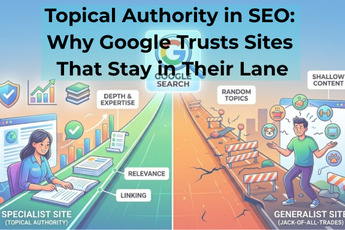
Topical Authority in SEO: Why Google Trusts Sites That Stay in Their Lane
There was a time when the internet felt like the Wild West and you could rank for almost anything if you were loud enough. If you ran a blog about mountain biking but suddenly decided to write a "definitive guide" to life insurance, you might have actually stood a chance of ranking if your site was popular enough. If that’s still your strategy, I have bad news for you - those days are long gone. Today, Google isn’t just looking for a good article; it’s looking for a credible source. This shift has brought about the era of "Topical Authority" - the idea that a website earns the right to be heard by staying focused, deep, and consistent within a specific niche.

Can Google Detect AI Content? What Actually Matters for Ranking in 2026
The year 2026 has brought us to a strange crossroads in the digital world. We've moved well past the initial panic of robots taking over and settled into a much more complicated reality. The question everyone is still shouting is whether Google can actually tell if a machine wrote a specific article. The answer isn't a simple yes or no, and to be honest if you're asking that question because you want to stay relevant, you're already behind the ball. In today’s landscape, the detectability of AI is secondary to the utility of the content, with Google’s stance maturing significantly in recent months. As the conversation moves away from hunting for "bot-talk", we're starting to find that something much more important matters - whether a human actually gained anything from the page.
Stop Begging for Clicks: How to Win the SEO Game When Nobody Visits Your Site
A quiet crisis is unfolding online, and most website owners do not yet realize it. Traffic numbers seem normal. Rankings are stable. But something important has changed in how people search for information and what they do with it. The era of the click is fading. The era of the answer has already started.

The Difference Between Traffic and Useful Traffic
I’ll be straight with you - the inspiration for this article was a guy I used to work with who once did a presentation and announced proudly that his latest campaign increased conversions by 1000%, showing a screenshot of the Google Analytics Sessions dashboard as he did.
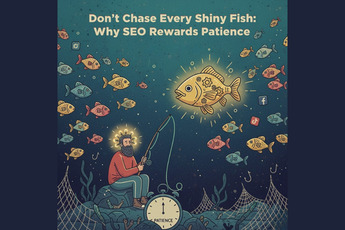
The Compounding Value of Topical Authority Over Keyword Chasing
Many people starting their first website fall into the trap of targeting popular keywords simply because they see thousands of people searching for them every month. However, trying to rank for a massive, general term when your site is brand new is like opening a small coffee shop next to a global franchise and expecting to take all their customers on day one. Real success comes from a disciplined long-term strategy that prioritizes becoming an expert in one specific area. When you focus on a narrow niche and cover every small detail of that topic, search engines begin to recognize your site as a reliable resource. This approach requires the patience to ignore the "big" keywords for a while so you can win the smaller, more specific ones that your competitors are overlooking.
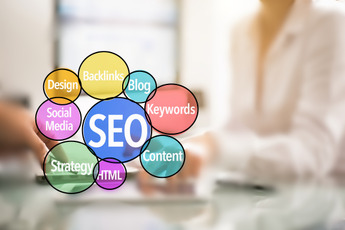
Why Your SEO Traffic Isn’t Growing And How To Diagnose It In Three Steps
You have been churning out content you thought would catapult your site into the top of search results only to watch the numbers barely budge. It is perfectly normal to feel a little annoyed when the digital crowd seems oblivious to the fireworks you are trying to launch. The good news? Most traffic plateaus happen for fairly straightforward reasons that become obvious once you stop pretending they do not exist. Below you will find a walk through three clear steps that expose hidden problems and steer you toward steady growth.

The Night I Let a Chatbot Judge My Career: An Audit By AI
I decided to do something truly regrettable yesterday. It was late at night and I was three cups of coffee deep into a crawl audit that made me want to throw my monitor into the nearest body of water. Everyone in the digital marketing world is currently obsessed with artificial intelligence. They claim it can write your copy and build your links and apparently tell you how to live your life. I figured I would see what all the fuss was about. I sat down and opened the most popular chatbot on the planet. I gave it my website address and a very simple prompt. I told the machine to perform a comprehensive audit of my site and to be as brutally honest as possible. I expected technical feedback. I expected a list of missing image descriptions or perhaps a lecture on my site architecture. What I received instead was a digital lecture on my personal failings as a professional. The machine essentially looked at a decade of my hard work and called me a failure.

AI Generated Content: Will It Help or Hurt Your SEO in 2025
If you have spent any time trying to keep up with the changing world of search engine optimization, you have probably heard the term “AI-generated content” mentioned often. It sounds both futuristic and familiar. You might remember when every department at Initech wanted new software upgrades, but no one could explain why. That is similar to today’s AI conversation—there is excitement, confusion, and many people just want to know if this new tool can really improve traffic and rankings.
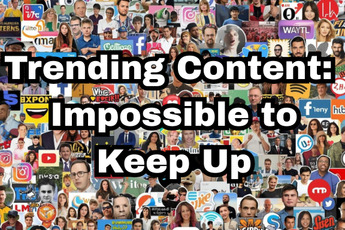
The Rise and Fall of Trend Chasing Content
If you spend time online, you’ve probably noticed certain videos, memes, or challenges popping up everywhere seemingly overnight. This is what experts call trend-chasing content. In simple terms, it’s content created primarily to follow what’s currently popular rather than to share a creator’s unique ideas or perspective. Whether it’s some new TikTok dance to or a lipsync meme, trend-chasing content has dominated social media for the past several years. Many platforms reward these trends because algorithms are designed to keep users engaged and encourage content replication.

How to Write Blog Posts That Rank and Still Sound Like You
You have probably noticed that the internet is overflowing with content that either tries too hard to sound “professional” or forgets entirely what a human voice sounds like. Some articles read like a robot wrote them after binge drinking coffee while others try so desperately to be quirky you feel like you just watched a bad improv show. Finding the sweet spot between discoverability and authenticity feels like searching for a single sock in an endless pile of laundry – frustrating, weirdly satisfying when it finally works, and worth every minute if you nail it.
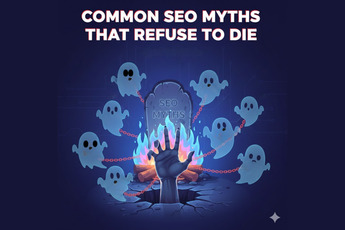
Common SEO Myths That Refuse to Die- And What To Do Instead
Search engine optimization is a world that loves gossip more than most reality shows. Every time the algorithm updates, a handful of self‑styled experts roll out fresh warnings about secret formulas that promise instant traffic. Some of those warnings have been repeated so often they sound like gospel even when anyone who tests them discovers a different truth. This article uncovers several SEO myths that keep circulating and adds practical recommendations for each one. The goal is to help you avoid wasted effort, focus on what actually moves the needle and maybe chuckle at how stubborn certain legends can be.
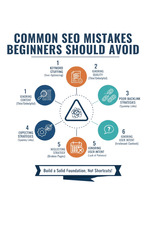
SEO Mistakes to Avoid
Let’s cut to the chase. This is when you’re writing content that’s like a 15-second TikTok clip—super surface-level, no depth, and just crammed with keywords like you’re trying to make a sandwich out of a brick. You’re not answering questions; you’re just throwing words at a wall and hoping something sticks. Think of it as a rap verse that’s all filler, no flow. You’re not giving your audience anything useful. You’re just recycling the same old phrases, pretending you’ve got a clue.
How Search Engines Actually Work (In Human Words)
Ever wondered what’s really happening behind the curtain when you type a query into Google? The answer isn’t a mystical algorithm whispering in your ear - it's a finely tuned chain of events that takes a single line of code and turns it into the most popular page on the planet. Picture a giant library where every book is scanned, catalogued, and instantly searchable. In fact, Google processes more than 4 trillion searches per day, meaning each click is a tiny drop in an ocean of content. Understanding this process is like decoding the blueprint of the internet’s most powerful search engine. So, buckle up - let’s break down the journey from crawling to ranking in plain, human‑friendly terms.

On Page SEO Explained Simply
Many people assume SEO is a highly technical subject that requires coding knowledge, complicated software, and some mythical understanding of the magic words that make search engines work. That reputation can make the whole topic feel intimidating, especially if you want your website content to appear in search results. In reality, much of SEO improvement happens directly within a page's content, and many of the most effective changes are surprisingly straightforward.

SEO for Beginners Who Hate Technical Things
If you have ever tried to learn SEO, you might have realized how quickly posts turn into a pile of jargon and buzzwords. Self-proclaimed experts will tell you about “analytics dashboards”, “meta descriptions,” and “click rates”, making the whole subject feel like some mystical ritual rather than the common-sense system that it really is. It’s almost like these SEOs are trying to make it more complicated than it really is on purpose (probably because they don’t want the average person figuring out that they’re charging you for a service that you could do yourself…). For many beginners, that is the point where SEO starts to feel intimidating, especially if you want your website or blog to appear in search results without learning a completely new technical skill.

The Rise of the Algorithm: Why AI is Now the Leading Driver of U.S. Job Cuts
Artificial intelligence has been shaping the workplace for years, but March brought a turning point. For the first time, AI was the main reason employers gave for job cuts in the United States. This isn’t just a number—it marks a new stage in how work is changing, as companies now openly say that automation is taking over jobs that people used to do.

The New Rules of Authority: Why Most Link-Building Fails in 2026
In today's digital landscape, the old way of building links is dead. For years, the goal was pretty simple: just get as many "blue links" as possible from any website that would take them. Today, search engines are different. They no longer just count links; they evaluate "Entities." This means they are looking for recognizable brands and experts who actually move the needle in their industry. Basically, if your name isn't being cited in AI Overviews or recommended by conversational search bots, your brand is practically invisible.
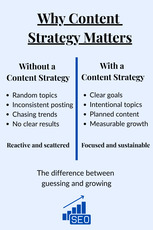
Content Strategy: A Complete Guide to Creating Content With Purpose
Many website owners treat their content like filler for a bottomless void, posting random articles just to keep their site active. This "publish-first" mindset rarely leads to success. Instead, you must treat your content like your most valuable employee. Every article, video, or guide you create should serve a specific purpose and help your brand reach a clear goal. In a digital world flooded with information, content that lacks intention is simply noise that search engines—and readers—will eventually ignore.