

SEO Fundamentals
Articles to help you get started with SEO
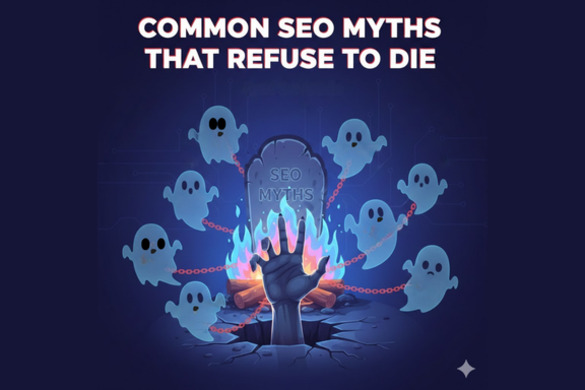
Common SEO Myths That Refuse to Die- And What To Do Instead
Search engine optimization is a world that loves gossip more than most reality shows. Every time the algorithm updates, a handful of self‑styled experts roll out fresh warnings about secret formulas that promise instant traffic. Some of those warnings have been repeated so often they sound like gospel even when anyone who tests them discovers a different truth. This article uncovers several SEO myths that keep circulating and adds practical recommendations for each one. The goal is to help you avoid wasted effort, focus on what actually moves the needle and maybe chuckle at how stubborn certain legends can be.
You may also enjoy...
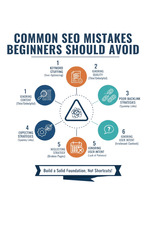
SEO Mistakes to Avoid
Let’s cut to the chase. This is when you’re writing content that’s like a 15-second TikTok clip—super surface-level, no depth, and just crammed with keywords like you’re trying to make a sandwich out of a brick. You’re not answering questions; you’re just throwing words at a wall and hoping something sticks. Think of it as a rap verse that’s all filler, no flow. You’re not giving your audience anything useful. You’re just recycling the same old phrases, pretending you’ve got a clue.
How Search Engines Actually Work (In Human Words)
Ever wondered what’s really happening behind the curtain when you type a query into Google? The answer isn’t a mystical algorithm whispering in your ear - it's a finely tuned chain of events that takes a single line of code and turns it into the most popular page on the planet. Picture a giant library where every book is scanned, catalogued, and instantly searchable. In fact, Google processes more than 4 trillion searches per day, meaning each click is a tiny drop in an ocean of content. Understanding this process is like decoding the blueprint of the internet’s most powerful search engine. So, buckle up - let’s break down the journey from crawling to ranking in plain, human‑friendly terms.

On Page SEO Explained Simply
Many people assume SEO is a highly technical subject that requires coding knowledge, complicated software, and some mythical understanding of the magic words that make search engines work. That reputation can make the whole topic feel intimidating, especially if you want your website content to appear in search results. In reality, much of SEO improvement happens directly within a page's content, and many of the most effective changes are surprisingly straightforward.

SEO for Beginners Who Hate Technical Things
If you have ever tried to learn SEO, you might have realized how quickly posts turn into a pile of jargon and buzzwords. Self-proclaimed experts will tell you about “analytics dashboards”, “meta descriptions,” and “click rates”, making the whole subject feel like some mystical ritual rather than the common-sense system that it really is. It’s almost like these SEOs are trying to make it more complicated than it really is on purpose (probably because they don’t want the average person figuring out that they’re charging you for a service that you could do yourself…). For many beginners, that is the point where SEO starts to feel intimidating, especially if you want your website or blog to appear in search results without learning a completely new technical skill.