
The Death of the Keyword: What to Optimise For When Search Intent Matters More Than Search Terms
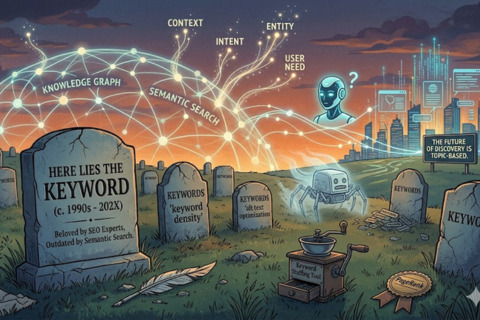
Keywords themselves aren’t gone, but prioritizing them over what users actually need is an outdated approach. This reliance quietly undermines rankings.
In the early days of SEO, success was simple: find a popular search phrase, include it in your title, first paragraph, and meta description, and repeat it throughout the page. Search engines would see the repeated phrase and decide your page was about that topic.
This approach worked until Google evolved—and SEO advice didn’t keep up. Many still focus on keyword density or placement as the essence of content strategy. But such tactics miss Google’s new priority: user intent.
- Informational intent means someone wants to learn or understand a topic. Wide, general searches such as “Summer Vacations” or “Healthy Food” indicate that someone is at the very start of their user journey. They’re unlikely to buy anything during this intent stage, and so you should focus on providing information and building trust.
- Navigational intent is when a user seeks a specific website or page. This typically happens when someone knows enough about a topic to ask specific questions (“Where are the best places to ski in March?”), or have identified a brand that can help with a specific need or problem (“[Brand name] health supplements”). The focus at this stage should be on encouraging users to complete micro-conversions (such as signing up for a newsletter or downloading a fact sheet), with the goal of securing them as customers in the next stage.
- Commercial intent involves researching options and comparing products or services before making a decision. This is where the previous steps come into play, as users are more likely to buy from a brand that has proven itself knowledgeable and trustworthy during the previous stages.
- Transactional intent is when someone is ready to buy, sign up, or take a specific action. At this stage, you should concentrate on making your checkout process as hassle-free as possible. The user has already decided to buy from you and they trust you with their payment details, only a poor user experience will prevent you from converting them into a customer.
What Google Actually Wants to Know
When Google looks at your page, it’s not really asking, "Does this page have the keyword?" Instead, it wants to know, "Does this page help the person who searched for this?" For years, keywords were a good stand-in for relevance because search engines couldn’t understand language well. Now, they can.
Let’s look for advanced language systems that match the intent behind a search, not just the words themselves.
This difference might seem small, but it has huge consequences.
The Four Flavours of Intent — and Why Most Sites Only Serve One
At its core, search intent falls into four categories. Each type reflects a distinct goal or stage in the user's journey. These are the four types of intent:
Focusing Intent
Most content strategies, if they consider intent, focus on just one or two types of intent. Blogs usually target informational intent, aiming to educate. Product pages go after transactional intent, aiming to prompt a purchase or sign-up. Commercial intent, the stage where users assess and compare before buying, is often overlooked with content that may not offer credible comparisons or persuasive information. Navigational intent, where users seek a particular page or brand, is typically satisfied by branded searches or homepage visits, so most content doesn’t address these queries directly.
The bigger challenge isn’t just targeting intent, but truly understanding and meeting it. This is central to moving from keyword-driven to intent-driven SEO. Users searching similar terms can have different motivations and needs. Focusing on a single keyword may satisfy a small subset instead of achieving the broader intent-based goals at the heart of this essay.
Example of Search Intent
Consider the search "running shoes for bad knees." This suggests commercial intent—someone researching a purchase. Some are deep into research and want specific recommendations; others, just starting, need explanations first. A page that jumps to recommendations helps the first group but loses the second. A page that explains first, then recommends, helps both, and Google’s systems now see this difference. One click on your page from search results, and they stay to read instead of quickly returning to try another link, which signals your page met their needs. If they leave right away, it sends the opposite message. Google doesn’t say exactly how it uses these signals, but there’s a clear link between low bounce rates and high rankings, so it’s wise to pay attention.
Depth Is Not the Same Thing as Length
The depth of your topic knowledge is increasingly important; it’s no longer possible to have loads of high-level, superficial overview pages. Comprehensive depth involves fully exploring the complexities of a topic, rather than simply increasing word count or repeating information. For example, an in-depth guide for retirement planning would discuss a variety of different pension plans, but you should also examine associated factors like early withdrawal penalties, tax implications and differences in strategies for self-employed individuals. Understanding the topic at a deep level means anticipating and addressing relevant follow-up questions, you need to think about the type of things that your users might be thinking as they read your content? Personally, if I’m reading about pensions, I want to know how recent regulatory changes might affect pension withdrawals (if you haven’t read my post about Evergreen Content, I strongly recommend it - this is a perfect example of when to update your content!). You can also use this to spin off into more niche viewpoints, such as early retirement due to unforeseen health challenges. If you build your content to help readers to resolve their questions in a single visit, you’ll be in a good position to call yourself an industry expert. When content achieves this level of depth, both Google’s algorithms and readers respond positively.
I usually ask a friend or colleague to read through my first draft and encourage them to ask questions as they move through the article. Sometimes the answer to their question is further down in the article (in which case, maybe the article needs to be reordered?), other times they’ll ask a question that I hadn’t thought of before. It’s important to remember that you’ve probably spent hours reading into your subject matter, but your readers may be experiencing it for the first time.
Why Context Is the New Keyword
Entity optimisation — the practice of building clear associations between your content and the specific people, places, concepts, and things it discusses — has become a meaningful ranking factor as Google's Knowledge Graph has expanded. This means writing in a way that makes your subject matter unambiguous. Not just using a keyword but giving Google enough context around that keyword that it can confidently place your page within a web of related concepts. A page about retirement planning that talks about the various different pension types, contribution limits, tax implications, and the specific regulatory bodies that govern retirement accounts is giving Google a rich picture of its subject matter. A page that merely repeats "retirement planning" is not.
This shift means you need to approach your research differently. Before you start writing, don’t just ask, "What keyword am I targeting?" Instead, ask: "What is the person searching for really trying to do? What do they already know? What would make them feel their question was truly answered?" These questions will shape your content more than any keyword rule.
It also means you should look at search results differently. When you search for your target term, Google is showing what it thinks best answers that query. The top-ranking pages aren’t there by chance—they match the intent behind the search. By reading these pages closely—not to copy, but to see their approach, depth, and the questions they answer—you’ll learn more about what to create than any keyword tool can tell you.
The Compounding Advantage of Getting This Right
There’s a long-term benefit to focusing on intent that’s often overlooked, and it might be the best reason to make this change. When you consistently create content that truly helps your audience, you build something keyword-chasing never could—a reputation with both Google and your readers as a trusted source.
Google keeps track of this over time. Sites with a strong record of satisfying users build up trust that new or less careful sites can’t easily match. Audiences remember too—they remember the site that answered their question, not the one that hid the answer behind long introductions and pop-ups.
In conclusion, while keywords matter, their role has fundamentally shifted. They now serve as pointers to audience needs and intent, not end goals. Organizations that adapt—prioritizing intent-driven, comprehensive content—see better rankings and trust. As search evolves, so must our strategies, or risk irrelevance in an intent-focused landscape.