

The Compounding Value of Topical Authority Over Keyword Chasing
Many people starting their first website fall into the trap of targeting popular keywords simply because they see thousands of people searching for them every month. However, trying to rank for a massive, general term when your site is brand new is like trying to open a small coffee shop next to a global franchise and expecting to take all their customers on day one. Real success comes from a disciplined long-term strategy that prioritizes becoming an expert in one specific area. When you focus on a narrow niche and cover every small detail of that topic, search engines begin to recognize your site as a reliable resource. This approach requires the patience to ignore the "big" keywords for a while so you can win the smaller, more specific ones that your competitors are overlooking.
The process of building this expertise involves creating a web of helpful articles that answer every possible question a beginner might have about your subject. For someone learning about digital marketing, this means moving beyond basic definitions and explaining how things actually work in the real world. When you provide this level of depth, you are giving the reader something they can't find anywhere else. Search engines are getting much better at spotting content that is just a copy of what everyone else is saying. By sharing your own unique perspective and deep-diving into specific problems, you prove to both the readers and the people who review websites for advertisements that your site is a high-quality destination.
Why Technical Foundations Must Precede Aggressive Content Writing
Before you spend all your time writing a bunch of articles, your website needs a solid foundation. If your site is slow or hard to use, it doesn't matter how amazing your writing is because people will leave before they even get to read the first sentence. Search engines track how quickly your pages load and how easy they are to navigate on a mobile phone.
One of the biggest mistakes beginners make is uploading large, high-resolution photos directly from their cameras. The pictures may be amazing, but the large file sizes will significantly slow your site. By using simple tools to shrink those images before you upload them, you will make your site feel fast and professional.
Beyond just speed, you need to make sure your site is organized in a way that makes sense. Think of your website like a library; if the books are just thrown in a pile on the floor, no one can find what they need. A good website uses clear menus and links between related articles so that both readers and search engine bots can find their way around. You should also make sure your site is secure by using a "lock" symbol in the browser bar, which protects your visitors' information. Taking the time to fix these basic technical issues before you start growing tells search engines that you are a serious creator who cares about the user experience.
Navigating Search Engine Updates With A Steady Mindset
Google and other search engines change their rules several times a year. These changes, often called "updates," can cause a website's traffic to go up or down overnight. For people who use "tricks" to get to the top of the results, these updates can be scary because their shortcuts often stop working. However, if you focus on being truly helpful to your readers, these updates usually end up helping you in the long run. The goal of a search engine is to find the best possible answer for the person asking a question. If your article is the most helpful, the search engine wants to show it to people.
The key to staying calm during these changes is to avoid "over-optimizing" your writing. You might have heard that you need to repeat your keyword a certain number of times, but writing that way often sounds robotic and annoying to a human reader. Instead, write in a natural, conversational tone. If you notice your traffic dipping after an update, don't panic and delete everything. Instead, look at your top pages and ask yourself if the information is still accurate and helpful. Often, simply updating an old article with new facts or better images is enough to bring your rankings back up.
Evidence-Based Content And The Power Of Real Examples
One of the best ways to make your blog stand out from the millions of other sites is to use real-life examples and personal stories. Instead of just telling people "how to do SEO," you should show them what happened when you tried it yourself. For instance, you could write about a specific experiment you ran where you changed the titles of your articles and saw a small increase in clicks. These stories are incredibly valuable because they show that a real human being is behind the keyboard. This is a major factor that people look for when deciding whether to approve a site for ads; they want to see "originality" and "human experience."
When you write from your own experience, you naturally include details that an automated program or a generic writer wouldn't know. You can talk about the mistakes you made, the tools that actually helped you, and the things that surprised you along the way. This level of honesty builds a huge amount of trust with your audience. Readers are more likely to stay on your page and click around if they feel like they are getting advice from a friend rather than a textbook. By sharing your journey—the good and the bad—you turn a simple blog into a valuable resource that people will want to bookmark and return to later.
The Importance Of Understanding What Your Readers Want
To be successful, you have to understand the "intent" behind a search. This is just a fancy way of saying you need to know what the person is looking for when they type a word into a search bar. People search for different reasons: sometimes they want to learn something, sometimes they want to buy something, and sometimes they are just looking for a specific website. If someone searches for "how to bake a cake," they want a recipe, not a history of the oven. If your article provides exactly what they need right at the top of the page, they will be happy and stay on your site longer.
Good content design also plays a big role in keeping readers happy. You should use big, clear headings so people can skim the article to find the part they need. Use short paragraphs and simple words so that the information is easy to digest. If a reader lands on your page and sees a giant "wall of text" with no breaks, they will probably get overwhelmed and leave. By making your site easy to read and focusing on exactly what the user is looking for, you send a signal to search engines that your site is high-quality. This "user satisfaction" is one of the most important secrets to long-term success in the digital world.
Building Reputation Through Genuine Connections
While what you say on your site is important, your reputation in the online world also matters. Search engines will look to see if other reputable websites are talking about you or linking to your work. This is called "link building," but it's really just about building relationships. Instead of just asking strangers to link to you, try to be helpful in your community. You can answer questions on social media, leave thoughtful comments on other blogs, or even collaborate with other creators. When you are a helpful part of the community, people will naturally want to share your work with their own audiences.
This process takes time and can’t, and shouldn’t be rushed. It’s better to have one link from a well-known, trusted website than a hundred links from low-quality, "spammy" sites that no one visits. Think of every link as a recommendation; the more high-quality recommendations you have, the more search engines will trust you. Be patient and focus on making your content so good that people want to link to it because it makes them look good to share it. Over time, these recommendations will add up and help your entire website rise in the rankings.
Creating A Sustainable Routine For Lasting Success
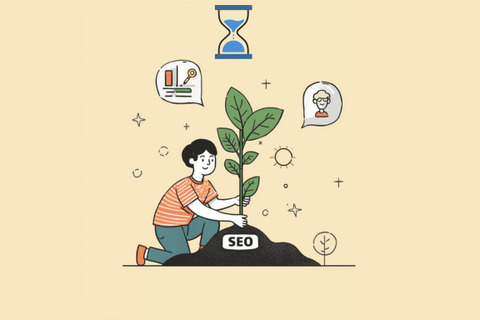
Consistency is the secret ingredient that most people miss. It is much better to post one high-quality article every week than to post ten articles in one day and then disappear for a month. Search engines like to see that a site is being actively maintained and updated. By creating a simple schedule for yourself, you can build a library of content that works for you 24 hours a day. Over time, each new article you write helps the older ones perform better because they all work together to show that you are an expert in your niche.
Success in the world of websites is about making good habits a part of your routine. It requires discipline to keep going even when you don't see results right away. If you focus on being technical enough to have a fast site, being helpful enough to satisfy your readers, and being patient enough to let your reputation grow, you will eventually see the rewards. A single page that ranks well can bring you visitors for years without you having to do any extra work. By following these simple principles and avoiding the temptation of "quick fixes," you are building a real asset that will grow more valuable every single day.